
 11
11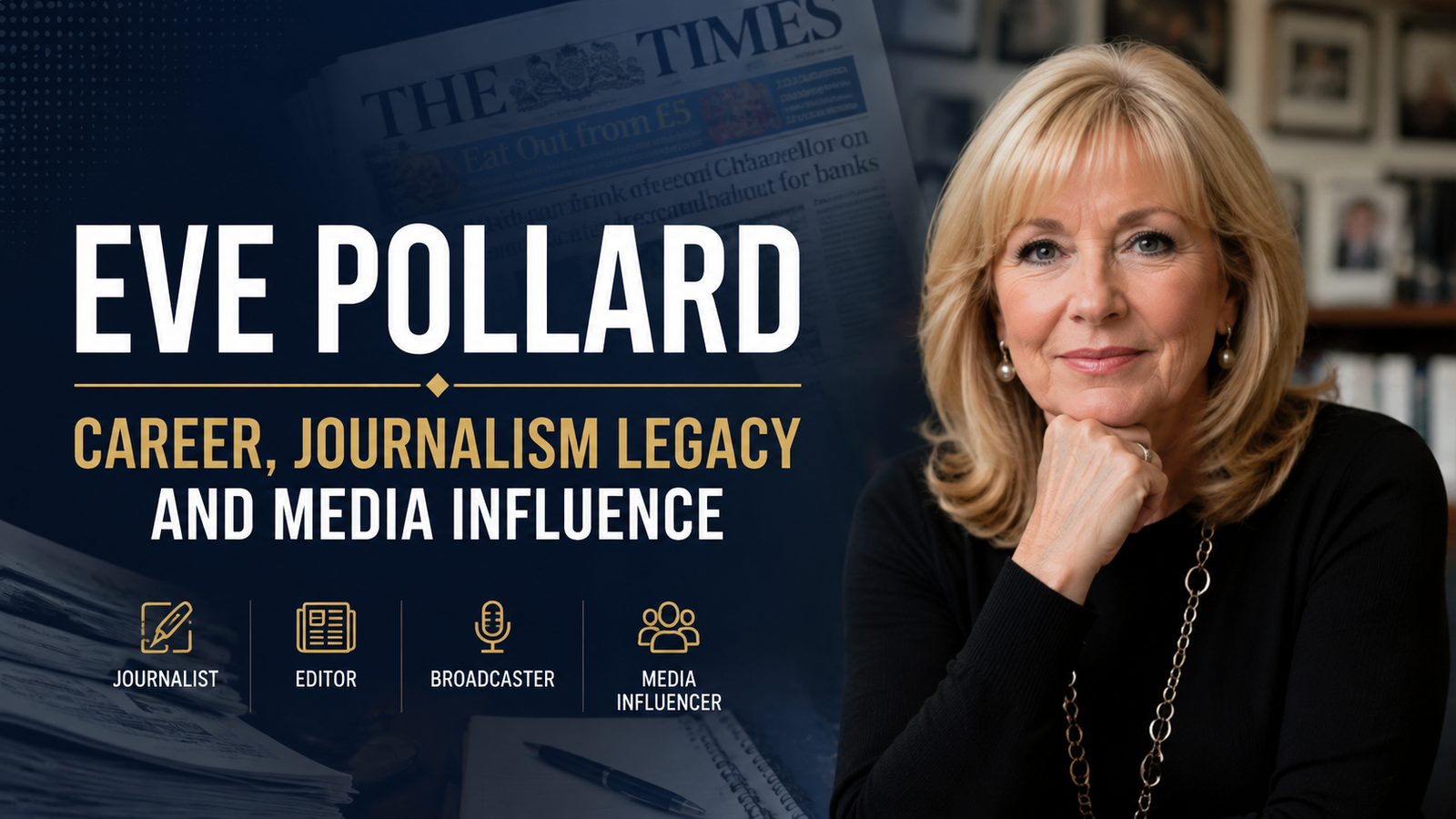
Eve Pollard was born into a period when journalism was evolving rapidly in the UK. From an early stage, she showed an interest in writing, communication, and storytelling. These early interests later shaped her career in newspapers and media.
Her upbringing and education helped develop a strong sense of curiosity and confidence, both essential traits for a future journalist. While detailed public records of her early life are limited, her later career suggests a strong foundation in language, analysis, and editorial thinking.
Eve Pollard began her journalism career at a time when the newspaper industry was highly competitive. Breaking into the field required persistence, skill, and the ability to adapt quickly.
She started in junior reporting roles, learning how newsrooms operated and how stories were developed from idea to publication. These early years were crucial in building her editorial judgement and understanding of audience engagement.
Her early work laid the foundation for her later leadership roles in major newspapers.
Eve Pollard’s career progressed as she moved into senior editorial positions. She became widely recognised for her leadership within major UK newspapers and magazines.
Her editorial roles included responsibilities such as:
This stage of her career established her as a powerful figure in British journalism.
Throughout her career, Eve Pollard achieved several milestones that strengthened her reputation in the media industry.
Her work helped bridge the gap between traditional print journalism and more modern, audience-focused media formats.
One of the most distinctive aspects of Eve Pollard’s career is her editorial style. She is known for combining strong storytelling with accessible language that appeals to a wide audience.
This approach helped her publications connect with readers on a more personal level.
Eve Pollard’s influence on British journalism extends beyond her editorial roles. She has contributed to shaping how newspapers and magazines present content to readers.
Her work reflects a shift in journalism towards more audience-centred storytelling.
In addition to print journalism, Eve Pollard also became involved in broadcasting. This transition allowed her to reach wider audiences and expand her influence in media discussions.
She appeared in television programmes and media panels, offering insights on journalism, current affairs, and media ethics.
This phase of her career reinforced her role as a respected media voice.
Eve Pollard is widely regarded as a confident and articulate media professional. Her public image reflects her long experience in journalism and her ability to communicate effectively across different platforms.
She is often associated with:
Like many journalists in senior positions, Eve Pollard has faced challenges throughout her career. The media industry has undergone significant changes, including digital transformation and shifting audience expectations.
Despite these challenges, she has remained a consistent figure in British media.
Eve Pollard’s legacy is closely tied to her impact on editorial leadership and journalism practices in the UK. Her influence can still be seen in modern publishing approaches.
Her career continues to be referenced in discussions about journalism evolution.
Eve Pollard’s contributions extend across several areas of media:
She helped define standards for newsroom management and content direction.
She played a role in shaping feature writing and magazine storytelling.
She contributed expert opinions on journalism and media ethics.
Her work influenced both peers and emerging journalists in the field.
Within the broader history of UK journalism, Eve Pollard represents a generation of editors who guided the transition from traditional print dominance to more diversified media platforms.
Her career highlights:
This makes her an important figure in understanding modern British press development.
Eve Pollard has built a long and influential career in British journalism, marked by editorial leadership, media commentary, and contributions to evolving journalism practices. Her work reflects both the traditions of print journalism and the changes brought by modern media.
Her legacy lies in her ability to adapt, lead, and shape editorial standards across decades of industry change. As journalism continues to evolve, her career remains a useful reference point for understanding the role of editors and media professionals in shaping public discourse.