 11
11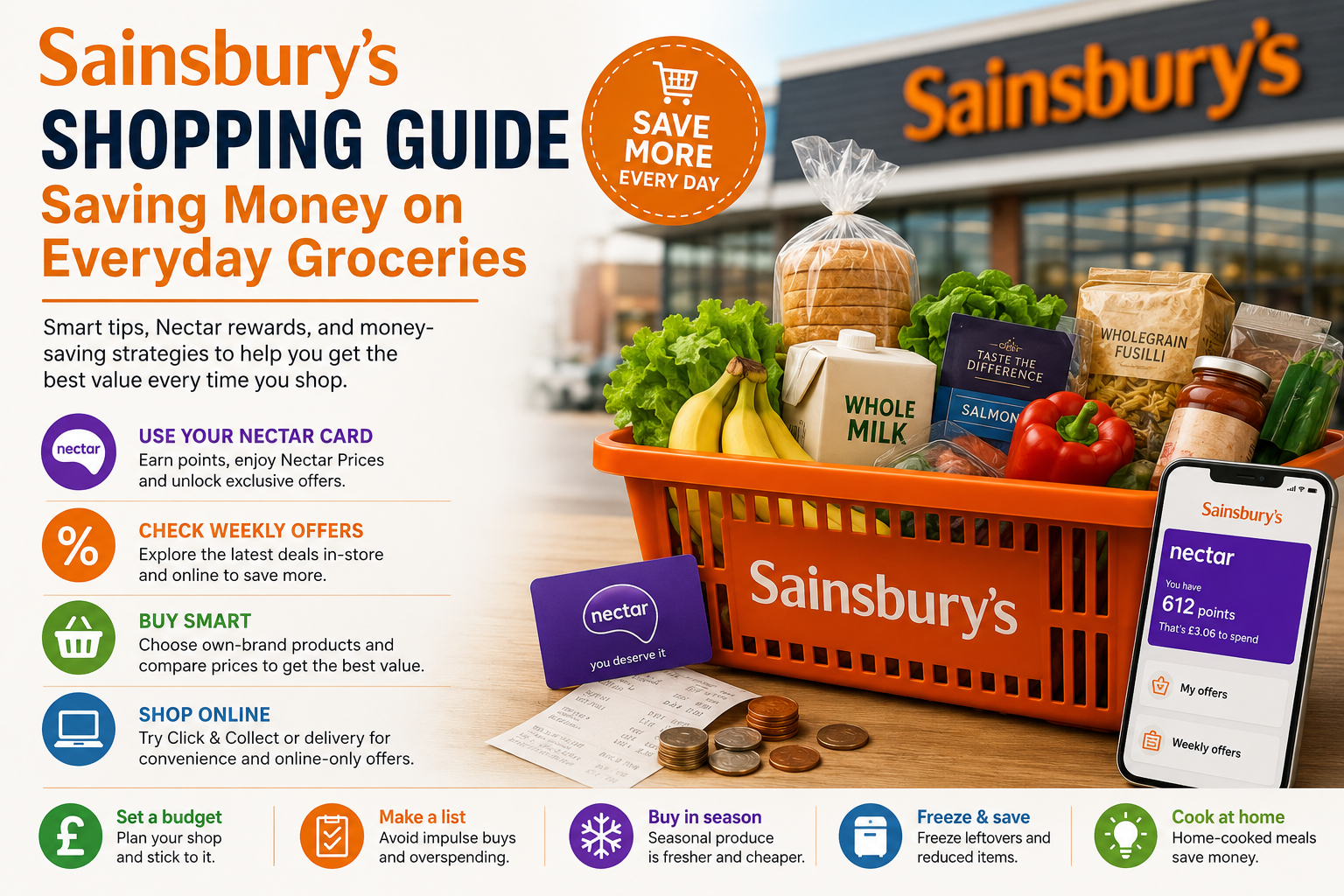
Sainsburys has built a strong reputation for balancing quality, convenience, and accessibility. Many shoppers choose it because of its broad product range and well-organised stores.
Some of the main reasons people continue shopping at Sainsburys include:
The supermarket also appeals to shoppers who want a mix of premium and budget-friendly choices in one place.
Sainsburys regularly runs promotions both in-store and online. These offers can include:
Many savings are linked directly to Nectar card membership, making loyalty participation important for regular shoppers.
Nectar Prices are exclusive discounts available to customers who scan their Nectar card or app during checkout.
For example:
| Product Type | Standard Price | Nectar Price |
|---|---|---|
| Breakfast cereal | £3.50 | £2.50 |
| Coffee | £5.00 | £3.75 |
| Frozen meals | £4.00 | £3.00 |
These discounts can add up significantly across a full weekly shop.
The Nectar card is Sainsburys’ loyalty programme. Customers earn points on purchases, which can later be redeemed for discounts or rewards.
Typically, 500 Nectar points equal around £2.50 in value. While that may seem small initially, frequent shoppers can build rewards steadily throughout the year.
The Sainsburys app often provides customised discounts based on your shopping habits.
You can often combine Nectar Prices with existing promotions for larger savings.
Occasionally, Sainsburys offers extra points on selected categories or spending thresholds.
Impulse buying is one of the biggest causes of overspending. Creating a shopping list helps you stay focused.
This simple habit can reduce unnecessary spending significantly.
Sainsburys offers several own-brand ranges that are often cheaper than branded alternatives.
In many cases, the quality difference is minimal while the savings are noticeable.
Many shoppers focus only on the headline price. However, checking the price per gram, litre, or kilogram often reveals better value.
For example:
| Product | Size | Price | Cost Per Unit |
|---|---|---|---|
| Small rice pack | 500g | £1.20 | £2.40/kg |
| Large rice pack | 1kg | £1.90 | £1.90/kg |
Buying larger packs can sometimes provide better long-term value.
Online shopping can actually help some households save money because it reduces impulse spending.
| Service | Advantages | Considerations |
|---|---|---|
| Click and Collect | Lower fees, flexible pickup | Requires travel |
| Home Delivery | Convenient for families | Delivery charges apply |
Choosing the right option depends on your schedule and shopping habits.
Sainsburys has multiple product ranges designed for different budgets.
This budget-focused range includes affordable essentials such as:
It is especially useful for households trying to reduce weekly spending.
This standard range balances quality and affordability and covers most grocery categories.
This premium range focuses on higher-quality ingredients and speciality foods.
While more expensive, it can still offer good value compared with restaurant meals or takeaway options.
Many stores reduce fresh products later in the day.
Typical reduced categories include:
Shopping in the evening can help you find major discounts on short-dated items.
Sainsburys often offers strong promotions during:
Planning purchases around these times can help reduce spending on larger household shops.
Meal planning prevents food waste and unnecessary shopping trips.
| Day | Meal Idea |
|---|---|
| Monday | Pasta with tomato sauce |
| Tuesday | Chicken stir fry |
| Wednesday | Vegetable soup |
| Thursday | Jacket potatoes |
| Friday | Homemade pizza |
| Saturday | Rice and curry |
| Sunday | Roast dinner leftovers |
Simple meal planning often leads to noticeable savings over time.
Many shoppers compare Sainsburys with supermarkets like Tesco, Aldi, Lidl, and Asda.
| Supermarket | Strengths | Weaknesses |
|---|---|---|
| Sainsburys | Quality and convenience | Sometimes higher prices |
| Aldi | Low prices | Smaller product range |
| Lidl | Competitive pricing | Fewer branded products |
| Tesco | Strong loyalty scheme | Busy larger stores |
| Asda | Value-focused pricing | Varies by location |
Sainsburys often appeals to shoppers looking for a balance between affordability and product quality.
Frequent small shopping trips often increase spending.
Instead:
The app can help shoppers:
Using digital tools can simplify budgeting and improve shopping efficiency.
Reduced-price shelves can provide excellent value, particularly for:
Freezing suitable products immediately can extend shelf life and reduce waste.
Frozen fruit, vegetables, and meats are often cheaper and last longer than fresh alternatives.
They can also help reduce food waste.
Batch cooking saves both time and money.
Examples include:
These meals freeze well and reduce reliance on expensive takeaway food.
Many own-brand alternatives taste similar to major brands while costing considerably less.
Testing different options gradually can help households reduce overall grocery spending without major lifestyle changes.
Setting a rough weekly limit encourages better decisions.
Many shoppers forget to scan their Nectar card and miss available discounts.
Overbuying perishables often leads to waste.
A better approach is to:
Sainsburys offers more opportunities to save money than many shoppers realise. By combining Nectar rewards, own-brand products, online shopping tools, meal planning, and smart budgeting habits, households can reduce grocery spending while still enjoying quality food and convenience.
The key is consistency. Small savings on individual products may seem minor at first, but over weeks and months they can make a meaningful difference to your household budget.
Whether you prefer shopping in-store or online, learning how to use Sainsburys more efficiently can help you spend smarter and waste less. Simple habits such as checking unit prices, using loyalty rewards, planning meals, and avoiding impulse purchases remain some of the most effective ways to keep grocery costs under control in the long term.